

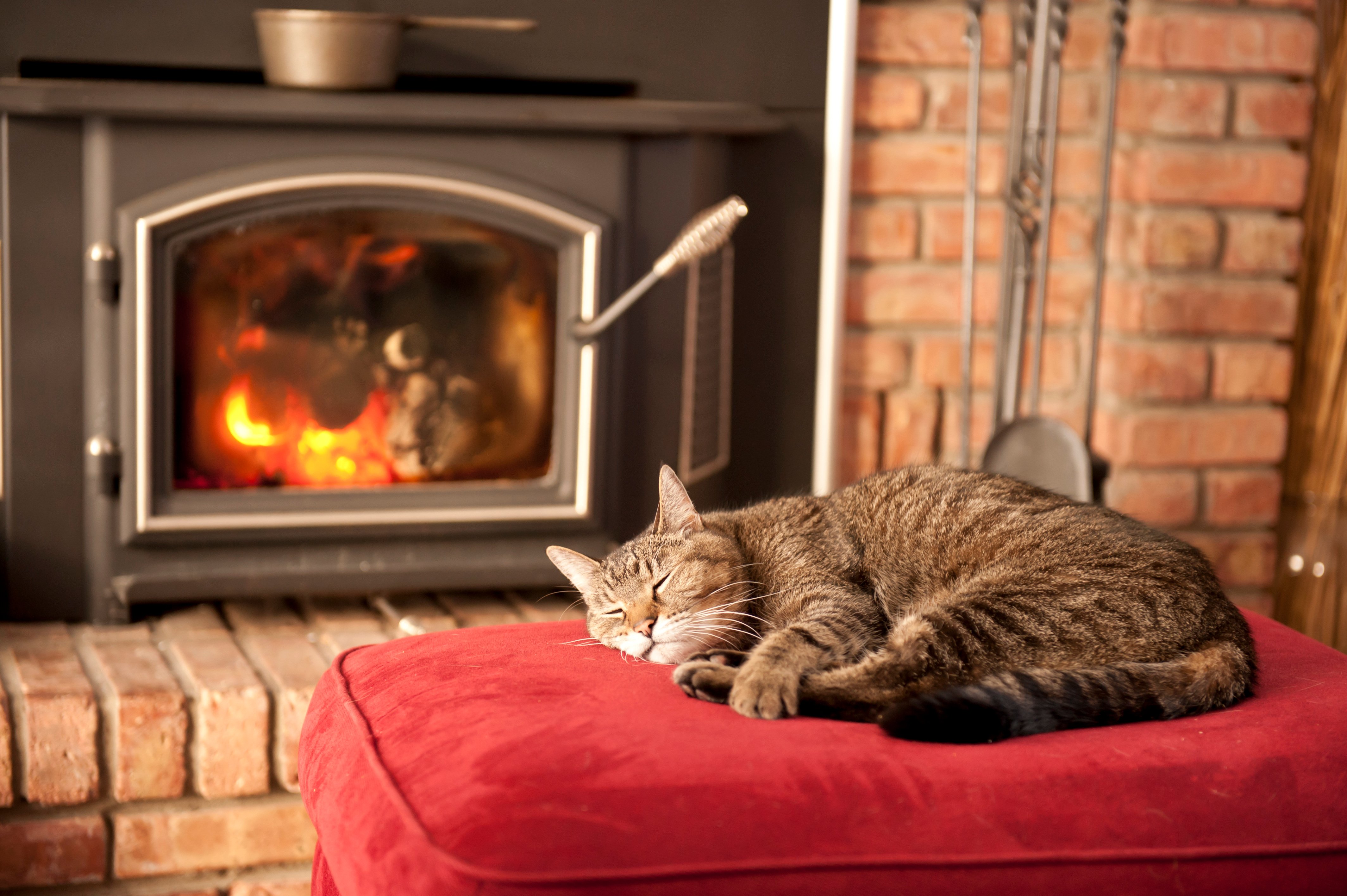
As winter approaches, many homeowners will turn to pellet and wood stoves for efficient home heating with a cozy ambiance. While these heating methods are great, it’s crucial to prioritize safety when using them. This article will help you understand some essential safety measures to help keep your home warm and secure.
Understanding the Difference
Before diving in, let’s briefly distinguish between pellet and wood stoves:
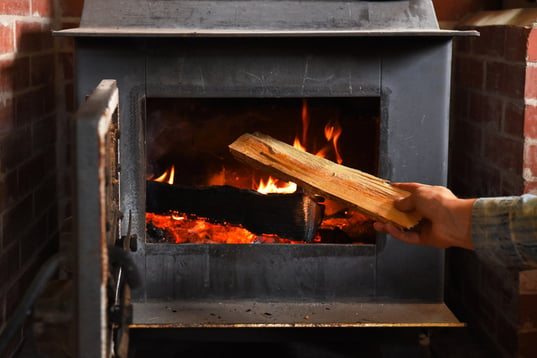
- Wood stoves burn split logs and require manual feeding and ash removal.
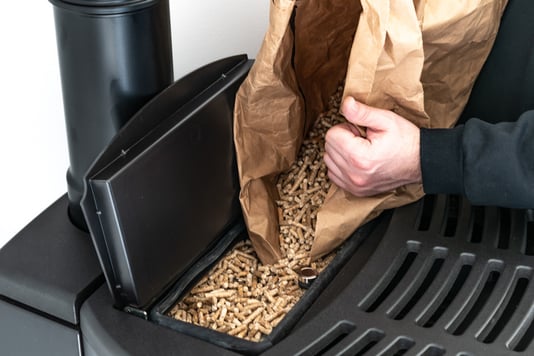
- Pellet stoves use compressed wood pellets that are very dense - which helps them burn hot and clean, often have automatic feeding systems, and generally produce less ash.
Both types require specific safety considerations.
Installation, Operation, and Maintenance
- Professional Installation: Always have your stove installed by a certified professional, as improper installation can lead to fire hazards and carbon monoxide leaks.
- Proper Ventilation: Make sure the stove is properly vented to the outside. The Chimney Safety Institute of America recommends an annual chimney cleaning and inspection to ensure all components are functioning properly.
- Clear the Area: Keep the area around your stove clear of flammable materials. Follow the manufacturer’s recommendations for clearance distances.
- Use the Right Fuel: For wood stoves, use seasoned hardwood to maximize efficiency, and for pellet stoves, use pellets recommended by the manufacturer. Never use flammable liquids to start or rekindle the fire.
- Monitor the Fire: Never leave a burning fire unattended, especially if children or pets are present. Keep an eye on the heat as well, taking care not to over-fire the stove.
Signs of Trouble
Be alert for these warning signs:
- Excessive smoke or visible soot buildup
- Burning odors
- Smoke alarm and Carbon Monoxide detector alerts
If you notice any of these, stop using the stove immediately and seek help from a certified professional.
Remember, when it comes to fire safety it’s always better to err on the side of caution. Stay warm and stay safe!
Sources used in this article:
- U.S. Environmental Protection Agency. Pellet Stoves. https://www.epa.gov/burnwise/pellet-stoves. Accessed October 1, 2026.
- Chimney Safety Institute of America. Preventing Chimney Fires. https://www.csia.org/chimneysafety.html. Accessed October 1, 2026.
This information and any attachments or links are provided solely as an insurance risk management tool. They are derived from information believed to be accurate. Utica Mutual Insurance Company and the other member insurance companies of the Utica National Insurance Group (“Utica National”) are not providing legal advice or any other professional services. Utica National shall have no liability to any person or entity with respect to any loss or damages alleged to have been caused, directly or indirectly, by the use of the information provided. You are encouraged to consult an attorney or other professional for advice on these issues.
Utica National may link to websites operated by other entities within this site. Utica National makes no representations, and disclaims all liability, as to the content or material available at those locations, the accuracy of information, and the quality of products or services provided or advertised on linked websites. By clicking into a linked website, you will leave this site, and you may be subject to the terms and conditions governing the use of such third-party websites. Clicking on any link to a third-party website is done solely at your own risk, and it is your responsibility to take all protective measures to guard against viruses or other destructive elements that may arise or result from the use of any third-party website.