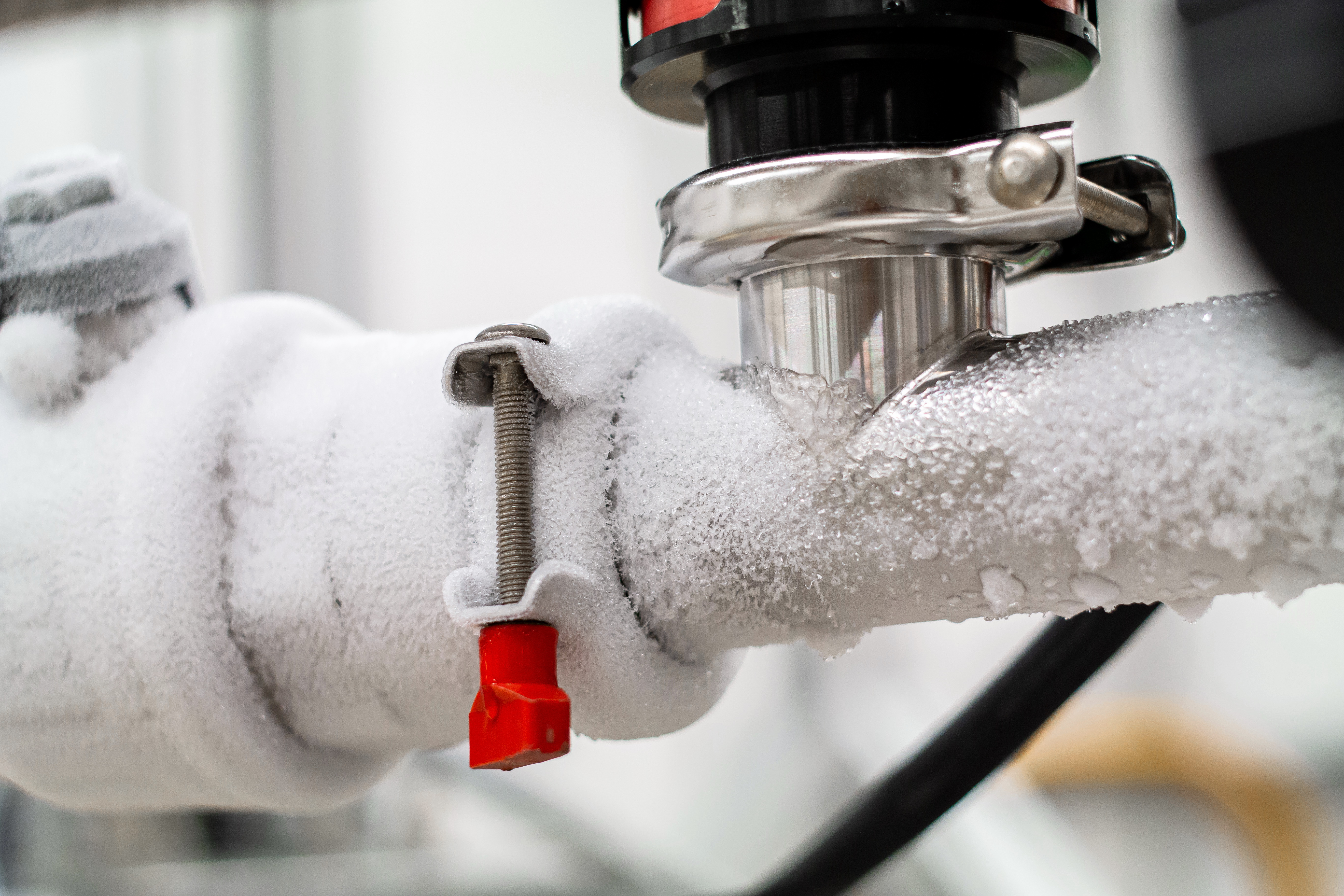
Water is unique and powerful. Its ability to expand and contract in different temperatures can cause a multitude of issues in your home, like freezing and bursting pipes during the colder months. If you live in an area that experiences freezing temperatures at any point during the year, we encourage you learn how to protect your pipes before the onset of cold weather.
Protect Your Pipes from Freezing
- Install insulation in attics and crawl spaces. Doing this will help maintain warmer temperatures in the parts of your home where heat doesn’t reach as much.
- Seal all cracks and gaps in exterior walls. There may be gaps near pipes, dryer vents, and wiring that feeds into your home from the outside. Take time to thoroughly seal any openings using caulk or insulation to help keep the cold out.
- Drain swimming pools and sprinkler supply lines. It is best to do this in the fall, before the possibility of freezing temperatures. If you do not feel comfortable doing this yourself, we recommend calling a professional instead.
- Drain, remove, and store hoses indoors. By disconnecting garden hoses and, if possible, shutting of their water valve, you may be able to prevent left over water from freezing during cold weather.
Prevent Frozen Pipes from Inside Your Home
- Allow your faucet to maintain a steady drip. Running water through your pipes – even a trickle – helps prevent them from freezing.
- Keep your thermostat set at a consistent temperature. Many homeowners tend to turn their thermostat down at night, but when temperatures drop outside this could potentially lead to frozen pipes. Maintain a warm temperature in your home to help prevent this.
- If you are traveling, leave the heat on in your home. Turning off your heat entirely is a recipe for a frozen pipes disaster. Leave your thermostat on and set it no lower than 55 degrees Fahrenheit.
- Keep basement and garage windows and doors closed. Leaving windows and doors open overnight or for extended periods of time can cause unwanted cold air to circulate throughout the space.
What to do if Your Pipes Burst
- Shut off your main water valve and call a licensed plumber immediately.
- If your home suffers any damage, call your insurance agent to find out if you need to file a claim under your Homeowners Insurance policy.
This information and any attachments or links are provided solely as an insurance risk management tool. They are derived from information believed to be accurate. Utica Mutual Insurance Company and the other member insurance companies of the Utica National Insurance Group (“Utica National”) are not providing legal advice or any other professional services. Utica National shall have no liability to any person or entity with respect to any loss or damages alleged to have been caused, directly or indirectly, by the use of the information provided. You are encouraged to consult an attorney or other professional for advice on these issues.
Utica National may link to websites operated by other entities within this site. Utica National makes no representations, and disclaims all liability, as to the content or material available at those locations, the accuracy of information, and the quality of products or services provided or advertised on linked websites. By clicking into a linked website, you will leave this site, and you may be subject to the terms and conditions governing the use of such third-party websites. Clicking on any link to a third-party website is done solely at your own risk, and it is your responsibility to take all protective measures to guard against viruses or other destructive elements that may arise or result from the use of any third-party website.